Delving into the realm of central air conditioning systems, this guide explores the crucial signs and factors to consider when it's time for a replacement. Stay tuned for expert advice and tips to make an informed decision.
Signs that indicate it’s time to replace your central air conditioning system
Over time, central air conditioning systems can show signs of wear and tear that indicate the need for replacement. Ignoring these signs can lead to decreased efficiency, higher energy bills, and more frequent breakdowns. Here are some common signs to look out for:
Strange Noises
If your central air conditioning system starts making unusual noises such as banging, rattling, or squealing, it could be a sign of a serious mechanical issue. These noises can indicate problems with the motor, compressor, or other components, which may require costly repairs.
In some cases, it may be more cost-effective to replace the entire system.
Weak Airflow
Weak airflow from your vents can be a sign of clogged ducts, a failing compressor, or a malfunctioning fan. Poor airflow not only makes your home less comfortable but also forces the system to work harder to cool your space, leading to increased energy consumption and higher bills.
Replacing the system can improve airflow and overall efficiency.
Frequent Repairs
If you find yourself calling for repairs on a regular basis, it may be time to consider replacing your central air conditioning system. Constant repairs can add up quickly and become more costly than investing in a new, more reliable system.
A newer model can also offer improved energy efficiency and performance, saving you money in the long run.
Age of the System
As central air conditioning systems age, they become less efficient and more prone to breakdowns. If your system is over 10-15 years old, it may be nearing the end of its lifespan. Even with proper maintenance, older systems struggle to keep up with the cooling demands of a modern home.
Upgrading to a newer, energy-efficient model can provide better cooling performance and lower operating costs.
Factors to consider when deciding to replace your central air conditioning system
When deciding whether to replace your central air conditioning system, there are several important factors to take into consideration. These factors can help you make an informed decision that is best for your home and budget.
Age of the current system
The age of your current central air conditioning system is a crucial factor to consider when thinking about replacement. Most systems have a lifespan of around 10-15 years. If your system is approaching or past this age range, it may be more cost-effective in the long run to invest in a new, more efficient system rather than continuing to repair an aging unit.
Cost of repairs versus cost of a new system
Another factor to weigh is the cost of repairs compared to the cost of a new central air conditioning system. If you find yourself frequently needing repairs or if the cost of a single repair is substantial, it may be a sign that it's time to replace the entire system.
In some cases, investing in a new system can actually save you money over time by reducing repair costs.
Energy efficiency ratings
Energy efficiency ratings, such as SEER (Seasonal Energy Efficiency Ratio), play a significant role in the decision-making process when replacing a central air conditioning system. Newer systems are often much more energy-efficient than older models, which can result in lower energy bills and reduced environmental impact.
When considering a new system, look for one with a high SEER rating to ensure optimal energy efficiency.
Steps to take when replacing your central air conditioning system
Replacing your central air conditioning system is a significant investment that requires careful planning and consideration. Here are the steps you should take to ensure a smooth and successful replacement process.
Selecting the right size and type of system for your home
When replacing your central air conditioning system, it is crucial to choose the right size and type of system for your home. An oversized unit will lead to inefficient operation and higher energy bills, while an undersized unit will struggle to cool your home effectively
Consult with a professional HVAC contractor to determine the appropriate size and type of system based on your home's specific needs.
The importance of professional installation and what to look for in a reputable HVAC contractor
Professional installation is key to ensuring that your new central air conditioning system operates at peak performance. When selecting an HVAC contractor, look for one with a valid license, insurance, and a good reputation in the industry. Ask for references, compare quotes, and verify the contractor's credentials before making a decision.
A reputable HVAC contractor will provide quality installation services and offer reliable maintenance and support for your new system.
Rebates, incentives, and financing options available for purchasing a new system
Before purchasing a new central air conditioning system, research any rebates, incentives, or financing options that may be available to help offset the cost. Many utility companies offer rebates for energy-efficient systems, while manufacturers may provide incentives for upgrading to a more advanced model.
Additionally, some HVAC contractors offer financing options to help make the purchase more affordable. Take advantage of these opportunities to save money and make the replacement process more budget-friendly.
Maintenance tips to prolong the lifespan of your new central air conditioning system
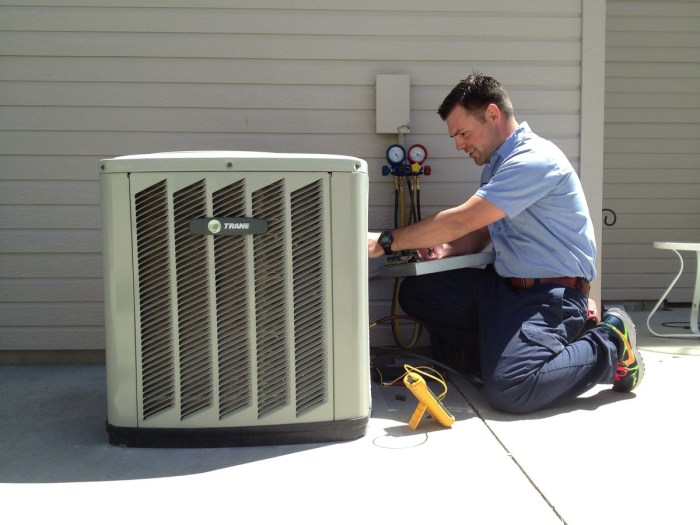
Regular maintenance is essential to ensure your new central air conditioning system operates efficiently and lasts for years to come. By following a maintenance schedule and performing tasks like changing filters, cleaning coils, and inspecting ductwork, you can prevent premature wear and tear that may lead to the need for replacement.
Regular Maintenance Schedule
- Change filters every 1-3 months to ensure proper airflow and prevent dust buildup.
- Clean coils annually to remove dirt and debris that can affect the system's efficiency.
- Inspect ductwork every few years to check for leaks or blockages that may impact airflow.
Preventing Premature Replacement
- Regular maintenance helps identify issues early on, preventing major breakdowns that could require costly replacements.
- Proper maintenance also ensures that your system operates at peak efficiency, reducing energy consumption and prolonging its lifespan.
Professional Maintenance Visits
- Schedule professional maintenance visits at least once a year to have a trained technician inspect and tune up your system.
- During these appointments, expect the technician to clean components, check refrigerant levels, inspect electrical connections, and ensure all parts are functioning properly.
Summary
Wrapping up our discussion on replacing central air conditioning systems, remember to keep an eye out for the signs, weigh your options wisely, and prioritize maintenance for a long-lasting cooling solution. Make the right choice for a comfortable indoor climate.
FAQ Summary
When should I consider replacing my central air conditioning system?
If you notice strange noises, weak airflow, frequent repairs, or if your system is older than 10-15 years, it might be time for a replacement.
How do energy efficiency ratings affect my decision to replace the system?
Higher energy efficiency ratings can lead to lower utility bills and a more environmentally friendly system. They are key factors to consider when deciding on a replacement.
What maintenance tasks can help prolong the lifespan of a new central air conditioning system?
Regular tasks like changing filters, cleaning coils, and inspecting ductwork can significantly extend the life of your system. Professional maintenance visits are also recommended for optimal performance.