Delving into The Ultimate Guide to Emergency AC Repair: Everything You Need to Know, this introduction immerses readers in a unique and compelling narrative, with a casual formal language style that is both engaging and thought-provoking from the very first sentence.
Exploring the ins and outs of emergency AC repair, this guide aims to equip you with the knowledge necessary to handle any cooling crisis with confidence.
Introduction to Emergency AC Repair
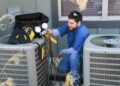
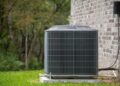
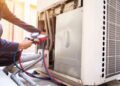
Emergency AC repair refers to the immediate or urgent maintenance or servicing required for air conditioning systems when they unexpectedly break down or malfunction. This type of repair is crucial, especially during hot summer months when a functioning AC is essential for comfort and health.
Common reasons for AC breakdowns include lack of maintenance, dirty filters, refrigerant leaks, electrical issues, and wear and tear over time. These issues can lead to inefficient cooling, strange noises, or complete system failure, necessitating emergency repairs.
Frequency of Emergency AC Repair Needs
Emergency AC repair needs are more common than one might think, with statistics showing that about 85% of HVAC system failures are due to lack of maintenance. Additionally, nearly 60% of emergency service calls during peak summer months are related to air conditioning issues.
This highlights the importance of regular maintenance and being prepared for potential AC emergencies.
Signs of AC Emergency
In some situations, your air conditioning system may require immediate attention to prevent further damage or ensure the safety and comfort of your home. Understanding the signs of an AC emergency can help you act quickly and avoid costly repairs or replacements.
Common Signs of AC Emergency:
- Complete loss of cooling: If your AC system stops producing cool air altogether, especially during extreme temperatures, it could indicate a serious issue.
- Strange or loud noises: Unusual sounds like grinding, squealing, or banging coming from your AC unit may signal a mechanical problem that needs immediate attention.
- Visible leaks or pooling water: Water leakage around your AC unit can lead to water damage, mold growth, and electrical hazards, requiring urgent repair.
- Burning smell: A burning odor coming from your AC system could indicate an electrical problem or overheating components, posing a fire risk.
Difference Between Regular AC Issues and Emergencies:
Regular AC issues, such as minor leaks, reduced airflow, or uneven cooling, can often be addressed during scheduled maintenance or routine service visits. On the other hand, AC emergencies involve sudden and severe problems that require immediate attention to prevent significant damage, safety hazards, or complete system failure.
Examples of Situations Requiring Immediate Repair:
- AC system not turning on at all, especially in extreme heat conditions.
- Smoke or burning smell coming from the vents or unit.
- Significant water leakage or flooding around the AC system.
- Loud banging or clanking noises indicating a possible mechanical failure.
Safety Precautions
During an emergency AC repair, it is crucial to prioritize safety to prevent accidents and injuries. Follow these safety measures to ensure a smooth and secure repair process.
Turning Off the AC Unit
To safely turn off the AC unit before starting any repair work, follow these steps:
- Locate the electrical panel in your home.
- Find the circuit breaker labeled for the air conditioning unit.
- Switch off the circuit breaker to cut off power supply to the AC unit.
- Double-check to ensure the power is completely off before proceeding with any repairs.
Staying Cool While Waiting for Repair
While waiting for the AC repair technician to arrive, here are some tips to stay cool and comfortable:
- Close blinds and curtains to block out sunlight and reduce heat inside the house.
- Use fans or portable air conditioning units to circulate air and maintain a comfortable temperature.
- Stay hydrated by drinking plenty of water to prevent heat-related illnesses.
- Avoid strenuous activities and try to relax in cooler areas of the house.
- Consider staying with friends or family if the heat becomes unbearable.
DIY Troubleshooting
When facing an AC emergency, it's important to try some basic troubleshooting steps before calling a professional. This can help you identify and possibly fix minor issues on your own, saving you time and money in the process.
Common DIY Fixes
- Check the thermostat settings to ensure they are correctly set for cooling.
- Inspect the air filter and clean or replace it if it's dirty or clogged.
- Clear any debris or obstructions around the outdoor unit to ensure proper airflow.
- Inspect the circuit breaker to make sure the AC unit is receiving power.
- Check the condensate drain line for clogs and clear them if necessary.
Remember to always turn off the power to your AC unit before attempting any DIY fixes to avoid any accidents or injuries.
Tools Needed
Having the right tools on hand can make DIY troubleshooting much easier. Here are some tools you may need:
- Screwdriver set
- Multimeter
- Shop vacuum
- Adjustable wrench
- Flashlight
When to Call a Professional
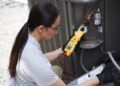
It's important to know when it's time to contact an HVAC technician to address your AC issues. While some problems can be fixed with DIY troubleshooting, there are certain situations where professional intervention is necessary to ensure the safety and efficiency of your system.
Tips for Choosing a Reliable AC Repair Service
When selecting an AC repair service, it's crucial to choose a reliable and reputable company. Here are some tips to help you make the right decision:
- Research and read reviews: Look for reviews and testimonials from previous customers to gauge the quality of service provided by the company.
- Check for certifications: Ensure that the technicians are certified and have the necessary qualifications to work on your AC unit.
- Ask about pricing and warranties: Get a clear understanding of the cost of the repair and inquire about any warranties or guarantees offered by the company.
- Inquire about experience: Find out how long the company has been in business and the experience level of the technicians who will be working on your AC unit.
- Get referrals: Ask friends, family, or neighbors for recommendations on reliable AC repair services they have used in the past.
Importance of Timely Professional Intervention
When facing an AC emergency, timely professional intervention can make a significant difference in the outcome. Here's why it's important to contact an HVAC technician promptly:
- Prevent further damage: Professional intervention can help prevent further damage to your AC unit and save you from costly repairs down the line.
- Ensure safety: HVAC technicians are trained to handle complex AC issues safely, reducing the risk of accidents or injuries.
- Restore efficiency: Professional repair can help restore the efficiency of your AC unit, ensuring optimal performance and energy savings.
- Prolong the lifespan of your AC: Timely professional intervention can extend the lifespan of your AC unit, saving you from the hassle of premature replacements.
- Prompt diagnosis: HVAC technicians have the expertise to accurately diagnose AC problems and provide effective solutions quickly.
Cost Factors
When it comes to emergency AC repairs, costs can vary depending on several factors. It's essential to understand the breakdown of costs involved in order to make informed decisions. Let's explore the costs of emergency repair compared to regular maintenance and discuss insurance coverage for AC emergencies.
Breakdown of Costs
- Labor costs: The cost of hiring a technician to diagnose and repair the AC unit.
- Parts and materials: The price of any components or materials needed to fix the issue.
- After-hours service fees: Some companies charge extra for emergency repairs outside of regular business hours.
Emergency Repair vs. Regular Maintenance Costs
Regular maintenance for your AC unit typically involves routine check-ups, cleaning, and minor repairs. Emergency repairs, on the other hand, are often more costly due to the urgency and complexity of the issue. It's important to weigh the costs of emergency repair against the savings that regular maintenance can provide in the long run.
Insurance Coverage for AC Emergencies
It's crucial to review your homeowner's insurance policy to determine if emergency AC repairs are covered.
Some policies may include coverage for sudden and accidental AC breakdowns, while others may require additional coverage or have limitations. Understanding your insurance policy can help you prepare for potential AC emergencies and avoid unexpected costs.
Maintenance Tips to Prevent Emergencies
Regular maintenance is crucial for ensuring your AC unit operates efficiently and avoids emergency breakdowns. By following a checklist and performing preventive maintenance, you can extend the lifespan of your AC unit and save on costly repairs.
Checklist for Regular AC Maintenance
- Change air filters every 1-3 months to ensure proper airflow and prevent dust buildup.
- Clean the evaporator and condenser coils annually to improve cooling efficiency.
- Inspect and clean the ductwork to remove any debris that could block airflow.
- Check refrigerant levels and top up if necessary to maintain optimal cooling performance.
Significance of Preventive Maintenance
Regular maintenance helps identify potential issues early, preventing costly breakdowns and extending the lifespan of your AC unit.
Tips for Extending the Lifespan of Your AC Unit
- Keep the area around the outdoor unit clear of debris and vegetation to ensure proper airflow.
- Program your thermostat to reduce strain on the AC unit during peak usage hours.
- Schedule annual professional maintenance to detect and address any issues before they escalate.
- Consider installing a programmable thermostat to regulate temperature and reduce energy consumption.
Environmental Impact
When it comes to emergency AC repairs, it's important to consider the environmental impact of your cooling system. From energy consumption to refrigerant leaks, there are several factors that can contribute to the carbon footprint of your AC unit.
Energy-Efficient Options for AC Units
- Invest in a high-efficiency AC unit with a SEER rating of 16 or higher to reduce energy consumption.
- Consider using a programmable thermostat to optimize cooling schedules and save energy.
- Regularly clean or replace air filters to improve airflow and efficiency of your AC system.
- Ensure proper insulation and sealing of doors and windows to prevent energy loss.
Tips for Reducing the Carbon Footprint
- Use ceiling fans to help distribute cool air efficiently and reduce the workload on your AC unit.
- Plant shade trees around your home to provide natural cooling and reduce the need for constant AC usage.
- Schedule regular maintenance to check for refrigerant leaks and ensure optimal performance of your AC unit.
- Consider using eco-friendly refrigerants like R-410A to minimize environmental impact.
Last Point
In conclusion, The Ultimate Guide to Emergency AC Repair: Everything You Need to Know serves as a comprehensive resource for navigating the complexities of AC emergencies. By following the insights shared, you can ensure the comfort and efficiency of your cooling system in times of need.
Question Bank
What are some common signs of an AC emergency?
Common signs include strange noises, lack of cool air, and leaks around the unit. If you notice any of these, it's best to seek professional help.
How can I safely turn off my AC unit during an emergency?
Locate the shut-off switch on your AC unit and turn it off. If you're unsure, it's best to contact a professional for guidance.
What are some cost factors to consider for emergency AC repairs?
Factors like the extent of damage, replacement parts needed, and the time of repair can all influence the cost of emergency AC repairs.
How can I prevent emergencies with my AC unit?
Regular maintenance, such as cleaning filters and inspecting the unit, can help prevent emergencies. Additionally, scheduling annual maintenance checks is recommended.