Smart Air Conditioner Solutions for Modern Homes sets the stage for an insightful exploration of cutting-edge technology that is revolutionizing the way we cool our living spaces. From advanced features to energy-saving benefits, this topic delves into the realm of smart air conditioners with a focus on customization and convenience.
As we delve deeper into the specifics, you'll uncover a world where technology seamlessly integrates with our daily lives, offering a glimpse into a future where comfort and efficiency go hand in hand.
Overview of Smart Air Conditioner Solutions
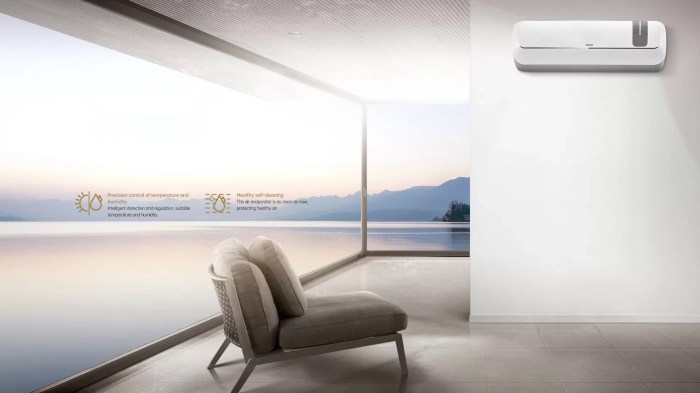
Smart air conditioner solutions for modern homes offer innovative technology to enhance comfort and efficiency. These systems are equipped with advanced features that set them apart from traditional air conditioners, providing numerous benefits for homeowners.
Key Features of Smart Air Conditioners:
- Remote Access: Smart air conditioners can be controlled and monitored remotely through a smartphone app, allowing users to adjust settings from anywhere.
- Adaptive Cooling: These systems use sensors to detect temperature changes and adjust cooling levels accordingly, optimizing energy usage.
- Voice Control: Many smart air conditioners are compatible with virtual assistants like Alexa or Google Assistant, enabling hands-free operation.
- Energy Efficiency: Smart air conditioners are designed to be more energy-efficient than traditional models, reducing electricity consumption and costs.
Benefits of Using Smart Air Conditioner Solutions:
- Convenience: The ability to control the air conditioner remotely and set schedules enhances convenience for homeowners, allowing them to maintain a comfortable environment effortlessly.
- Cost Savings: By optimizing energy usage and reducing electricity bills, smart air conditioners help homeowners save money in the long run.
- Environmental Impact: The energy-efficient operation of smart air conditioners contributes to a lower carbon footprint, promoting sustainability.
- Improved Comfort: Adaptive cooling and precise temperature control ensure a consistently comfortable indoor environment, enhancing overall well-being.
Technology Integration
Smart air conditioners are designed to seamlessly integrate with home automation systems, allowing users to control and monitor their cooling systems remotely. This integration enhances convenience, energy efficiency, and overall comfort in modern homes.
Remote Control via Smartphones and Voice Assistants
- Users can easily adjust the temperature, fan speed, and operating mode of their smart air conditioner using dedicated mobile apps on their smartphones.
- Voice assistants like Amazon Alexa or Google Assistant can also be used to control smart air conditioners through simple voice commands, offering hands-free operation for added convenience.
- These smart features enable users to manage their home's climate settings from anywhere, whether they are at work, on vacation, or simply relaxing on the couch.
Role of IoT in Enhancing Smart Air Conditioner Solutions
- IoT technology plays a crucial role in the connectivity and functionality of smart air conditioners, allowing them to communicate with other smart devices in the home.
- By leveraging IoT capabilities, smart air conditioners can adapt to user preferences, learn from usage patterns, and optimize energy consumption for greater efficiency.
- IoT also enables the remote monitoring of air conditioner performance, scheduling of cooling cycles, and integration with smart sensors for automated adjustments based on environmental conditions.
Energy Efficiency
Smart air conditioners are designed to optimize energy usage, providing a more efficient cooling solution compared to conventional models. By incorporating advanced technology and innovative features, these smart devices can significantly reduce energy consumption.
Features Contributing to Energy Efficiency
- Smart Thermostats: Smart air conditioners are equipped with programmable thermostats that can be controlled remotely via smartphone apps. This allows users to set specific temperatures and schedules, ensuring the AC only runs when needed.
- Energy Usage Monitoring: Some smart air conditioners have built-in energy monitoring features that track and analyze energy consumption. This data can help users identify patterns and make adjustments to further optimize energy usage.
- Adaptive Cooling: Smart AC units can adjust cooling levels based on room occupancy, outdoor temperatures, and humidity levels. This adaptive cooling feature prevents unnecessary energy wastage by only cooling when necessary.
- Integration with Smart Home Systems: Smart air conditioners can be integrated with smart home systems like Google Home or Amazon Alexa, allowing for seamless automation and coordination with other smart devices in the home.
Impact on Electricity Bills and Environment
Energy-efficient cooling provided by smart air conditioner solutions can lead to significant savings on electricity bills over time. By optimizing energy usage and reducing wastage, users can enjoy a comfortable indoor environment without the hefty costs associated with traditional AC units.
Additionally, lower energy consumption translates to reduced carbon emissions, contributing to a greener and more sustainable environment.
Customization and Personalization
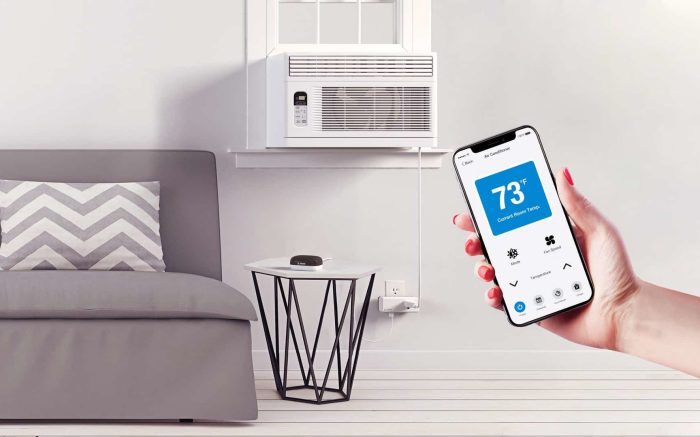
Smart air conditioners offer users the ability to customize settings based on their preferences, allowing for a personalized experience that caters to individual comfort needs. This level of customization not only enhances comfort but also contributes to energy efficiency by optimizing cooling based on specific requirements.
Personalized Cooling Schedules
Setting up personalized cooling schedules for different rooms can greatly enhance the comfort level in a home. For example, users can program the air conditioner to cool the bedroom to a lower temperature at night for better sleep quality, while maintaining a slightly higher temperature in the living room during the day when it is not frequently used.
This tailored approach ensures that energy is not wasted on cooling unused spaces, leading to increased efficiency.
- Users can create custom cooling schedules based on their daily routines and preferences, ensuring that the air conditioner operates only when needed.
- Smart thermostats can learn user habits and adjust settings automatically, providing a seamless and personalized cooling experience.
- Room-specific temperature settings can be established to cater to individual comfort levels, allowing each occupant to enjoy their preferred climate without compromising overall energy efficiency.
Customization plays a crucial role in achieving both comfort and efficiency in air conditioning systems, as it allows users to tailor their cooling experience to meet their specific needs.
Maintenance and Monitoring
Smart air conditioners go beyond just cooling the air in your home; they also offer advanced features for maintenance and monitoring to ensure optimal performance and air quality.
Real-time Monitoring of Air Quality and Filter Status
- Smart air conditioners are equipped with sensors that can monitor the air quality in real-time, detecting pollutants and allergens.
- They also track the status of the air filters, notifying you when it's time to clean or replace them for efficient operation.
Alerts and Notifications for Maintenance Needs
- Smart air conditioner solutions provide alerts and notifications directly to your smartphone or device when maintenance is required, such as filter replacement or system check-ups.
- These notifications help you stay on top of maintenance tasks, ensuring your air conditioner operates at peak performance and efficiency.
Remote Diagnostics and Troubleshooting Features
- One of the key conveniences of smart air conditioners is the ability to conduct remote diagnostics and troubleshooting.
- Through connected apps or platforms, you can identify issues, receive troubleshooting guidance, and even schedule service appointments without the need for a technician to visit your home.
Epilogue
In conclusion, Smart Air Conditioner Solutions for Modern Homes presents a compelling case for embracing innovation in cooling systems. With a blend of technology, energy efficiency, and personalization, the future of home climate control looks brighter than ever.
FAQ Section
How do smart air conditioners differ from traditional ones?
Smart air conditioners offer remote control capabilities, energy-saving features, and integration with smart home systems, setting them apart from traditional models.
Can smart air conditioners help reduce electricity bills?
Yes, smart air conditioners optimize energy usage through personalized settings and real-time monitoring, ultimately leading to lower electricity bills.
What role does IoT play in smart air conditioner solutions?
IoT enhances smart air conditioner solutions by enabling seamless connectivity and control through various devices like smartphones and voice assistants.
How can users customize settings with smart air conditioners?
Users can personalize cooling schedules, adjust temperature settings, and monitor air quality easily through intuitive interfaces and mobile apps.
What maintenance features do smart air conditioners offer?
Smart air conditioners provide real-time monitoring of air quality, filter status alerts, and remote diagnostics for convenient maintenance and troubleshooting.