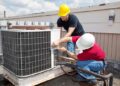
Delve into the world of Carrier AC service with this comprehensive guide on optimizing your unit for peak performance. From regular maintenance to troubleshooting common issues, this guide covers it all to ensure your Carrier AC operates efficiently.
Importance of Regular Maintenance for Carrier AC
Regular maintenance for your Carrier AC is crucial to ensure optimal performance and longevity of the unit. By conducting routine maintenance checks, you can prevent potential issues, improve energy efficiency, and extend the lifespan of your AC system.
Key Components Requiring Regular Maintenance
- Filters: Dirty filters can restrict airflow, reducing efficiency and causing strain on the system.
- Coils: Over time, coils can accumulate dirt and debris, hindering heat transfer and reducing cooling capacity.
- Fan Blades: Dust and debris on fan blades can lead to imbalance, causing the AC to work harder and increasing energy consumption.
- Refrigerant Levels: Insufficient refrigerant levels can affect the cooling capacity of the AC unit and lead to compressor damage.
Impact of Neglecting Maintenance
Neglecting regular maintenance for your Carrier AC can have detrimental effects on both efficiency and lifespan. Dirty filters and coils can result in poor airflow and reduced cooling capacity, leading to higher energy bills. Additionally, neglecting maintenance can put unnecessary strain on the system, potentially causing parts to wear out faster and increasing the likelihood of breakdowns.
By investing in regular maintenance, you can avoid these issues and enjoy a well-functioning Carrier AC for years to come.
DIY Maintenance Tips for Carrier AC Owners
Regular maintenance is crucial to ensure your Carrier AC unit operates efficiently and effectively. Here are some DIY maintenance tips for Carrier AC owners to follow:
Cleaning or Replacing Air Filters
Air filters play a significant role in maintaining good indoor air quality and ensuring proper airflow. Follow these steps to clean or replace the air filters in your Carrier AC unit:
- Turn off the power to the AC unit before starting any maintenance.
- Locate the air filter panel on your Carrier AC unit.
- Remove the air filter carefully and inspect it for any dirt or debris.
- If the filter is dirty, use a vacuum cleaner or wash it with mild soap and water. Allow it to dry completely before reinstalling.
- If the filter is damaged or worn out, replace it with a new one of the same size and type recommended by Carrier.
- Install the clean or new filter back into the unit, making sure it fits securely.
- Turn the power back on and monitor the performance of your AC unit.
Inspecting and Cleaning the Condenser Coils
Condenser coils are responsible for releasing heat absorbed from indoors to the outside environment. Here's how you can inspect and clean the condenser coils of your Carrier AC unit:
- Turn off the power to the AC unit and ensure it is safe to work around the condenser coils.
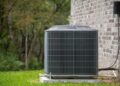
- Locate the condenser unit outside your home and remove any debris or vegetation around it.
- Use a soft brush or cloth to gently clean the exterior of the condenser coils. Be careful not to damage the fins.
- If there is stubborn dirt or debris, you can use a coil cleaner recommended by Carrier for thorough cleaning.
- Rinse the coils with water and allow them to dry completely before turning the power back on.
- Regularly inspect and clean the condenser coils to maintain optimal performance of your Carrier AC unit.
Maintaining Proper Airflow Around the Outdoor Unit
Proper airflow is essential for the efficient operation of your Carrier AC unit. Follow these guidelines to maintain proper airflow around the outdoor unit:
- Clear any obstructions such as plants, debris, or furniture that may block the airflow around the outdoor unit.
- Ensure there is at least two feet of clearance around the unit for unrestricted airflow.
- Regularly trim any vegetation or bushes near the unit to prevent airflow obstruction.
- Check for any signs of damage or leaks in the ductwork connected to the outdoor unit and repair them promptly.
- Monitor the airflow and temperature of the air coming out of the unit to ensure it is consistent and cool.
Troubleshooting Common Issues with Carrier AC
When it comes to troubleshooting common issues with your Carrier AC unit, it's essential to identify the problem accurately before attempting any fixes. Addressing issues promptly can prevent further damage and ensure your AC continues to operate efficiently. Below are some common problems that Carrier AC units may encounter and how to troubleshoot them:
Strange Noises
If your Carrier AC is making strange noises such as rattling, buzzing, or squealing, it could indicate a problem with the fan motor, compressor, or other internal components. To troubleshoot this issue, first, turn off the AC and inspect the unit for any loose parts or debris.
Tighten any loose screws and clean the unit to remove any obstructions. If the noise persists, it's best to contact a professional HVAC technician to diagnose and repair the problem.
Inadequate Cooling
Inadequate cooling is a common issue with Carrier AC units and can be caused by various factors such as dirty filters, refrigerant leaks, or blocked airflow. To troubleshoot this problem, start by checking and replacing the air filters if they are dirty or clogged.
Ensure that the thermostat is set to the correct temperature and that there are no obstructions blocking the airflow from the vents. If the issue persists, it's advisable to contact a professional technician to inspect the unit and address any underlying problems.
When to Seek Professional Help
While some minor AC issues can be resolved through DIY troubleshooting, certain problems require the expertise of a professional HVAC technician. If you encounter issues such as refrigerant leaks, electrical malfunctions, or compressor failure, it's best to seek professional help to avoid causing further damage to your Carrier AC unit.
Professional technicians have the knowledge and tools to diagnose and repair complex AC issues safely and efficiently.
Enhancing Efficiency of Carrier AC

Improving the efficiency of your Carrier AC not only helps save energy but also extends the lifespan of your unit. By making a few adjustments and taking some proactive measures, you can ensure your AC system operates at its best.
Optimal Thermostat Settings for Energy Efficiency
Setting the thermostat at the right temperature can significantly impact your AC's energy consumption. Lowering the temperature too much can lead to unnecessary energy usage, while setting it too high may result in discomfort.
- During the summer, aim to set your thermostat at around 78°F when you're home and raise it a few degrees when you're away to save energy.
- Consider investing in a programmable thermostat that allows you to schedule temperature changes based on your daily routine. This can help optimize energy usage and save on utility bills.
Benefits of Using Programmable Thermostats with Carrier AC
Programmable thermostats offer a range of benefits that can enhance the efficiency of your Carrier AC system.
- Allow you to set specific temperature schedules for different times of the day, ensuring optimal comfort and energy savings.
- Some models come with features like Wi-Fi connectivity, allowing you to control your AC remotely through a smartphone app.
- Help reduce energy waste by automatically adjusting the temperature when you're not home or asleep.
Sealing Ducts and Insulating Your Home for Improved AC Efficiency
Properly sealed ducts and a well-insulated home can prevent air leaks and improve the overall efficiency of your Carrier AC system.
- Inspect your ductwork for leaks and gaps, and seal them using duct tape or mastic sealant to prevent air loss.
- Consider adding insulation to your attic, walls, and windows to minimize heat transfer and maintain a consistent indoor temperature.
- Use weather-stripping around doors and windows to prevent hot air from entering and cold air from escaping, reducing the workload on your AC.
Closing Summary
In conclusion, mastering the art of Carrier AC service is key to enjoying a cool and comfortable environment. With the tips and tricks Artikeld in this guide, you'll be well-equipped to keep your Carrier AC running smoothly for years to come.
FAQ Insights
How often should I perform maintenance on my Carrier AC?
Regular maintenance is recommended at least once a year to ensure optimal performance and longevity of your Carrier AC unit.
What are some signs that indicate my Carrier AC needs professional attention?
Unusual noises, inconsistent cooling, or frequent breakdowns are signs that your Carrier AC may require professional servicing to address underlying issues.
Is it necessary to insulate my home to improve AC efficiency?
Yes, proper insulation helps maintain a consistent temperature indoors, reducing the workload on your Carrier AC unit and improving overall efficiency.