Exploring the significant impact of fleet maintenance on companies' financial savings, this article delves into the key strategies and benefits that help businesses save thousands annually.
From preventing costly repairs to enhancing efficiency, fleet maintenance plays a pivotal role in optimizing operations and boosting the bottom line.
Importance of Fleet Maintenance
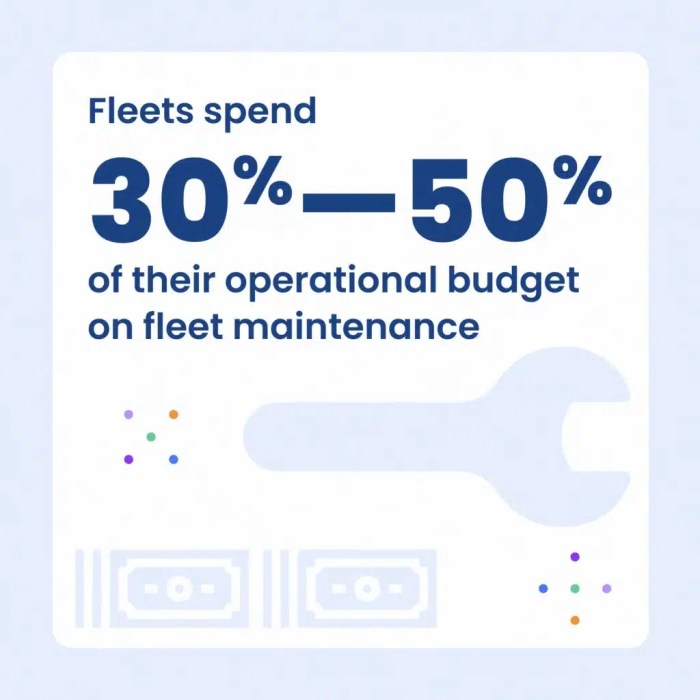
Fleet maintenance is a crucial aspect for companies that rely on a fleet of vehicles to conduct their operations efficiently. Proper maintenance ensures that vehicles are safe, reliable, and in optimal working condition, ultimately saving companies thousands of dollars annually.
Preventing Costly Breakdowns
Without regular maintenance, fleet vehicles are at a higher risk of experiencing breakdowns and mechanical issues. These unexpected breakdowns can lead to costly repairs, towing expenses, and extended downtime for the vehicle. This not only disrupts daily operations but also incurs additional expenses that could have been avoided with routine maintenance.
Ensuring Safety and Compliance
Fleet maintenance plays a critical role in ensuring the safety of drivers, passengers, and other road users. Regular inspections and servicing help identify potential safety hazards and address them promptly, reducing the risk of accidents and legal liabilities. Compliance with industry regulations and standards is also maintained through proper maintenance practices.
Optimizing Efficiency and Productivity
Well-maintained fleet vehicles are more fuel-efficient, reliable, and perform better on the road. This translates to improved productivity, reduced fuel costs, and better overall performance of the fleet. Downtime due to vehicle breakdowns or maintenance issues is minimized, allowing companies to operate smoothly and meet their deadlines efficiently.
Extending Vehicle Lifespan
Regular maintenance not only prevents breakdowns but also helps extend the lifespan of fleet vehicles. By addressing minor issues early on and following a scheduled maintenance plan, companies can prolong the longevity of their vehicles, ultimately saving on the costs of premature replacements.
Cost-saving Benefits
Regular maintenance of fleet vehicles plays a crucial role in saving companies thousands of dollars annually. By implementing preventive maintenance strategies, businesses can avoid costly repairs, extend the lifespan of their vehicles, and ultimately reduce overall operating expenses.
Preventing Costly Repairs
- Regular inspections and maintenance help identify minor issues before they escalate into major problems, preventing costly breakdowns.
- Addressing wear and tear promptly through scheduled maintenance can prevent expensive component failures, such as engine or transmission issues.
- Proactive maintenance measures, such as fluid checks and tire rotations, can significantly reduce the risk of unexpected breakdowns on the road.
Long-term Cost Savings with Preventive Maintenance
- Adhering to a preventive maintenance schedule helps businesses avoid sudden expenses and budget for maintenance costs more effectively.
- Regular maintenance can improve fuel efficiency, saving companies money on fuel expenses in the long run.
- By keeping vehicles in top condition, companies can minimize downtime and maximize productivity, translating into significant cost savings over time.
Extending Vehicle Lifespan
- Proper maintenance practices, such as timely oil changes and filter replacements, can extend the lifespan of fleet vehicles, delaying the need for costly replacements.
- Preventive maintenance measures, like brake inspections and alignment checks, help preserve the integrity of vehicles, ensuring they remain operational for longer periods.
- Regular maintenance contributes to the overall reliability of fleet vehicles, reducing the likelihood of premature vehicle retirement due to avoidable mechanical issues.
Efficiency and Productivity
Proper fleet maintenance not only saves costs but also plays a crucial role in enhancing efficiency and productivity within a company's operations. Well-maintained fleets can lead to improved performance, reduced downtime, and smoother operations overall.
Improved Driver Productivity
- Regular maintenance ensures that vehicles are in optimal condition, reducing the likelihood of breakdowns or unexpected issues that could disrupt schedules.
- Well-maintained vehicles are more fuel-efficient, allowing drivers to complete their routes with fewer stops for refueling, ultimately saving time and increasing productivity.
- Properly maintained fleets provide a safer working environment for drivers, enabling them to focus on their tasks without worrying about the vehicle's reliability.
Optimizing Operations with Technology
- Advanced fleet management software can streamline maintenance schedules, alerting managers and technicians when vehicles are due for service, thus avoiding unnecessary delays or oversights.
- Telematics systems can track vehicle performance in real-time, identifying potential issues before they escalate and enabling proactive maintenance measures to be taken, reducing downtime and maximizing efficiency.
- The integration of GPS technology can help optimize routing, ensuring that drivers take the most efficient paths to their destinations, saving time, fuel, and ultimately improving overall productivity.
Safety and Compliance
Fleet maintenance plays a crucial role in ensuring the safety of drivers and other road users, as well as helping companies comply with regulations and standards.
Improved Safety
Regular maintenance of fleet vehicles, including inspections, repairs, and replacements, helps prevent potential mechanical failures that could lead to accidents on the road. By keeping vehicles in top condition, companies reduce the risk of breakdowns and ensure that their drivers can operate safely.
Compliance with Regulations
Meeting safety and environmental regulations is a top priority for companies with fleet operations. Proper maintenance not only ensures that vehicles are safe to drive but also helps in meeting legal requirements. From emissions standards to vehicle inspections, staying compliant is essential to avoid fines and penalties.
Reduction of Accidents and Liabilities
By conducting regular maintenance checks and addressing any issues promptly, companies can significantly reduce the likelihood of accidents caused by vehicle malfunctions. This proactive approach not only protects the safety of drivers and others on the road but also minimizes the risk of costly legal battles and insurance claims.
Investing in fleet maintenance is, therefore, a preventive measure that can save companies thousands of dollars in the long run.
Ultimate Conclusion
In conclusion, effective fleet maintenance not only ensures safety and compliance but also serves as a cost-effective solution for companies looking to maximize their savings and productivity. By prioritizing regular maintenance, businesses can reap the long-term benefits of a well-maintained fleet.
General Inquiries
How often should fleet maintenance be conducted?
Fleet maintenance should ideally be conducted at regular intervals, depending on factors like mileage, vehicle age, and usage patterns.
Does fleet maintenance only involve mechanical repairs?
No, fleet maintenance also includes preventive measures like inspections, fluid checks, and tire rotations to ensure optimal vehicle performance.
Can outsourcing fleet maintenance services be cost-effective?
Outsourcing fleet maintenance can be cost-effective for companies as it provides access to specialized expertise and reduces the burden on in-house resources.