Embark on a journey through the world of HVAC maintenance with our comprehensive guide, focusing on the vital aspects of heat and air repair. Discover the key elements that ensure the longevity and efficiency of your heating and air system.
Delve into the nuances of routine maintenance, exploring its impact on energy efficiency, cost savings, and potential issues that can arise from neglect.
Importance of HVAC Maintenance
Regular HVAC maintenance is essential for the longevity of your heating and air system. Without proper upkeep, your HVAC system can experience wear and tear, leading to costly repairs or even premature replacement.
Benefits of Routine Maintenance
- Improved Energy Efficiency: Regular maintenance ensures that your HVAC system operates at peak efficiency, reducing energy consumption and lowering utility bills.
- Cost Savings: By addressing minor issues early on through maintenance, you can prevent major breakdowns that would require expensive repairs or replacements.
- Extended Lifespan: Proper maintenance can help prolong the lifespan of your HVAC system, saving you money in the long run by delaying the need for a new unit.
Potential Issues from Neglecting Maintenance
- Reduced Performance: Neglecting maintenance can cause your HVAC system to operate inefficiently, resulting in uneven heating or cooling throughout your home.
- Poor Indoor Air Quality: Without regular maintenance, your HVAC system may accumulate dust, dirt, and other allergens, leading to poor indoor air quality and potential health issues.
- Higher Energy Bills: A neglected HVAC system has to work harder to maintain the desired temperature, leading to increased energy consumption and higher utility bills.
Common HVAC Problems
When it comes to HVAC systems, there are several common problems that homeowners may encounter. Being able to identify these issues early on can help prevent further damage and costly repairs down the line.
Clogged Air Filters
One of the most common HVAC problems is clogged air filters. When air filters become dirty or clogged, it restricts airflow and can cause the system to work harder than necessary. This can lead to reduced efficiency and increased energy bills.
Refrigerant Leaks
Another common issue is refrigerant leaks. Low refrigerant levels can cause your HVAC system to blow warm air or even stop working altogether. If you notice a decrease in cooling performance, it may be due to a refrigerant leak that requires professional repair.
Thermostat Malfunctions
A malfunctioning thermostat can also cause problems with your HVAC system. If your thermostat is not accurately reading the temperature or is unresponsive, it can lead to inconsistent heating or cooling in your home. In such cases, it is best to seek professional help to diagnose and repair the issue.
Electrical Problems
Electrical issues, such as faulty wiring or broken components, can also impact the performance of your HVAC system. If you notice strange noises, frequent cycling, or the system not turning on at all, it may be a sign of electrical problems that require the expertise of a professional technician.
DIY HVAC Maintenance Tips
Regular DIY maintenance is essential to keep your HVAC system running efficiently between professional service visits. By following these practical tips, homeowners can ensure their HVAC system performs optimally and lasts longer.
Clean and Replace Air Filters
One of the most important tasks in HVAC maintenance is cleaning and replacing air filters regularly. Clogged filters can restrict airflow, reducing the system's efficiency and causing it to work harder. This can lead to increased energy consumption and potential damage to the system.
- Check your air filters every month and replace them if they are dirty or clogged.
- Use high-quality filters that are recommended for your specific HVAC system.
- Consider investing in washable filters that can be reused after cleaning.
Maintain Clear Air Vents and Ducts
Clear air vents and ducts are crucial for the proper circulation of air throughout your home. Blocked or dirty vents can restrict airflow, causing uneven heating or cooling and putting additional strain on your HVAC system.
- Regularly vacuum and dust air vents to keep them free from debris and obstructions.
- Inspect ductwork for any signs of leaks, gaps, or damage that may be affecting airflow.
- Consider scheduling professional duct cleaning every few years to remove built-up dust and debris.
Seasonal HVAC Maintenance
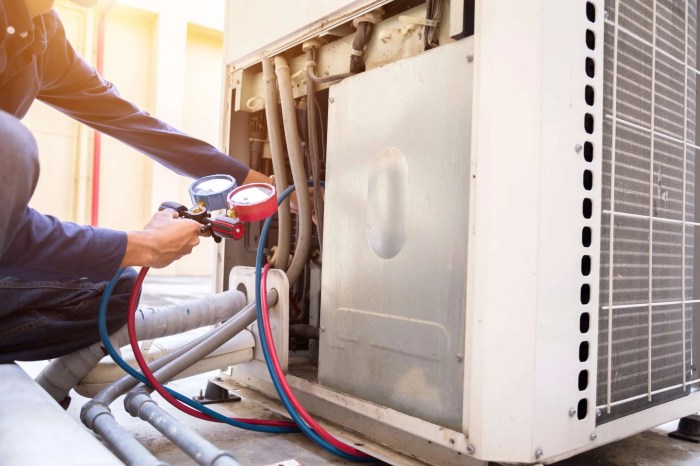
Seasonal HVAC maintenance is crucial for ensuring your system runs efficiently and prevents breakdowns. By performing specific tasks before summer and winter, you can improve the overall performance of your HVAC system.
Preparation for Summer
Before the summer months, it's essential to prepare your HVAC system for the increased workload. Here are some tasks to include in your checklist:
- Clean or replace air filters to ensure proper airflow.
- Inspect and clean the outdoor unit to remove any debris or obstructions.
- Check and adjust thermostat settings for optimal cooling efficiency.
- Inspect ductwork for leaks or damage that may reduce efficiency.
Preparation for Winter
Getting your HVAC system ready for the winter season is just as important. Here's what you should do to ensure your system is running smoothly:
- Check and replace air filters to improve indoor air quality and efficiency.
- Inspect and clean the heating elements, such as the furnace or heat pump.
- Seal any gaps or leaks in windows, doors, or ductwork to prevent heat loss.
- Test the thermostat to ensure it's accurately reading and maintaining temperature settings.
Overall System Efficiency
By conducting seasonal HVAC maintenance, you not only prevent breakdowns but also improve the overall efficiency of your system. Regular maintenance can help lower energy bills, extend the lifespan of your HVAC equipment, and ensure your home stays comfortable year-round.
Conclusive Thoughts
In conclusion, the discussion encapsulates the essence of HVAC maintenance, emphasizing the importance of proactive care to avoid costly repairs and ensure optimal performance. Equip yourself with the knowledge and tools needed to maintain a comfortable indoor environment year-round.
Detailed FAQs
How often should HVAC maintenance be performed?
Maintenance should ideally be done at least once a year to ensure the system operates efficiently.
What are the signs that indicate HVAC problems?
Unusual noises, uneven heating/cooling, or sudden spikes in energy bills can indicate potential issues.
Can I clean and replace air filters myself?
Yes, homeowners can clean or replace air filters, but professional maintenance is recommended for thorough cleaning.
What tasks should be included in seasonal HVAC maintenance?
Tasks like checking refrigerant levels, cleaning coils, and inspecting ductwork are essential for seasonal maintenance.